How to visit Sesame Place Philadelphia
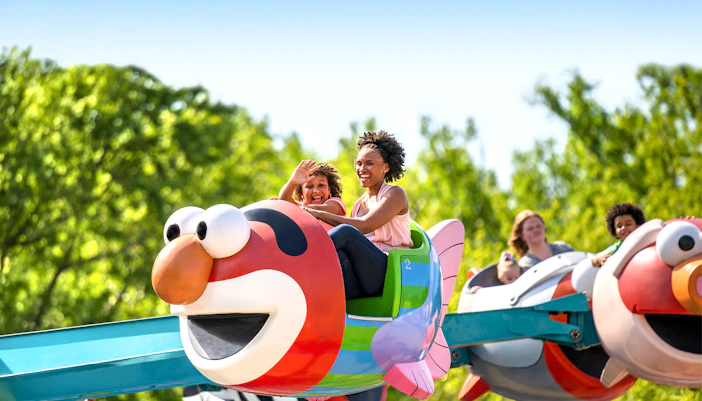
Sesame Place Philadelphia is a family theme park and water park best known for Sesame Street characters, kid-sized rides, splash zones, and live entertainment. The park is manageable in size, but the day gets crowded quickly because the same families are balancing rides, parade times, character photos, and water attractions at once. The biggest difference between a smooth visit and a stressful one is doing the headline dry rides before switching into swim mode. This guide covers timing, tickets, route planning, and the practical details that matter most.
Quick overview: Sesame Place Philadelphia at a glance
If you're visiting with young children, the day goes best when you decide early whether this is a ride-first visit, a water-park visit, or a full-day mix of both.
- When to visit: Sesame Place Philadelphia runs seasonally from late March to early January, with daily hours varying by date; weekday mornings in late spring or early summer feel noticeably calmer than summer Saturdays because parade, splash, and character crowds all build at once in a compact park.
- Getting in: Standard admission starts from $107.99, and a 2-Day Multi-Visit Ticket starts from $117.99; booking ahead matters most for summer weekends, school breaks, Halloween dates, and Christmas events.
- How long to allow: 6–8 hours works for most families, and it pushes longer if you want dry rides, character photos, the parade, and a proper water-play stretch in one day.
- What most people miss: The Sesame Street Neighborhood photo stops and scheduled character appearances are easy to rush past, even though they are often the parts that younger kids remember best.
- Is a guide worth it? No — the park is small enough to do self-guided, and the app plus posted parade and character times usually give you all the structure you need.
🎟️ Tickets for Sesame Place Philadelphia sell out days in advance during summer weekends, Halloween dates, and Christmas events. Book your admission ticket before the day you want is gone.
Jump to what you need
🕒 Where and when to go
🗓️ How much time do you need?
🗺️ Getting around
🎢 Must-ride attractions
♿ Facilities and accessibility
🎟️ Rules and restrictions
Where and when to go
How do you get to Sesame Place Philadelphia
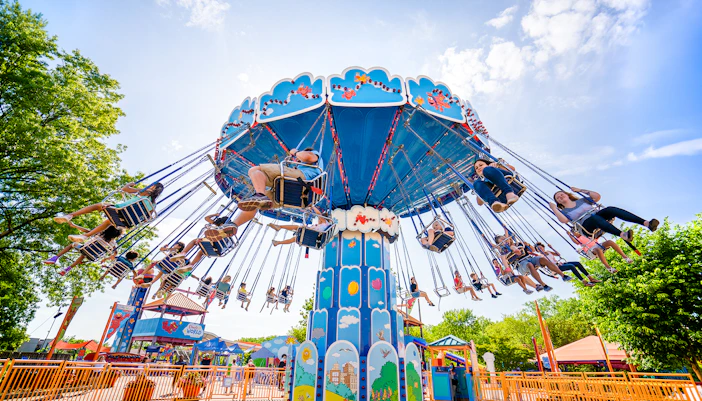
The park is in Langhorne, about 30 minutes north-east of downtown Philadelphia, just off I-95, and it is easiest to reach by car.
Address: 100 Sesame Rd, Langhorne, PA 19047, United States | Find on Maps
- Car: I-95 Exit 49A for PA-413 → direct approach to the main lot → prepaid parking from $36 is the safest choice on busy days.
- Train: SEPTA West Trenton Line → Langhorne Station → about 1 mi taxi or rideshare transfer because there is no direct shuttle.
- Rideshare: Main entrance drop-off → shortest walk to the turnstiles → useful if you want to avoid parking fees.
Which entrance should you use
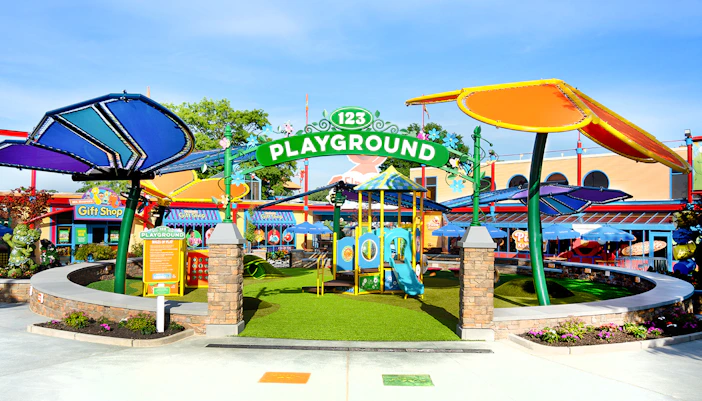
Sesame Place uses one main guest entrance, and the mistake most families make is arriving at opening without parking already sorted.
- Main entrance turnstiles: Located beside the main parking lot. Expect the slowest entry flow right after opening on summer weekends and event dates.
When is Sesame Place Philadelphia open
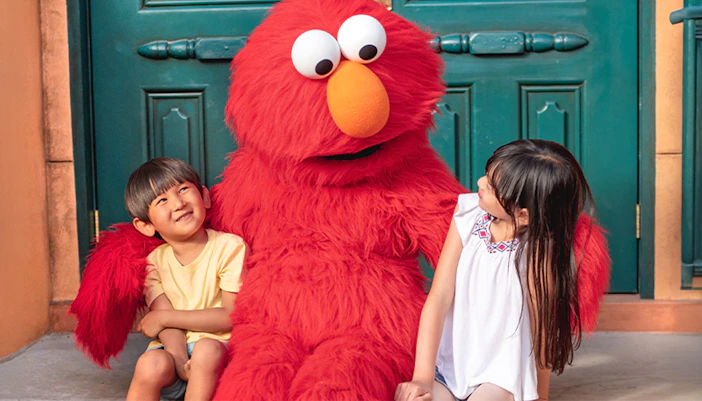
- Late March–early January: Sesame Place operates seasonally, with daily opening hours varying by date and event calendar.
- January–early March: Closed for the off-season.
- Halloween and Christmas dates: Seasonal events run on special schedules, so check the calendar for your exact day.
- Last entry: Plan to arrive early enough to leave 6–8 hours for rides, parade time, and water attractions.
When is it busiest: Summer Saturdays, holiday weekends, and special event dates draw the heaviest crowds, especially at Oscar's Wacky Taxi, the lazy river, and along the parade route.
When should you actually go: A weekday soon after opening in late spring or early summer gives you the best shot at headline rides and character photos before the whole park shifts into parade and splash mode.
How much time do you need
| Visit type | Route | Duration | Walking distance | What you get |
|---|---|---|---|---|
Highlights only | Main entrance → Oscar's Wacky Taxi and a few dry rides → one character stop → parade or splash area → exit | 3–4 hrs | ~1.5 km | Covers the park's best-known ride and the Sesame Street atmosphere, but you will have to skip most water play or treat it as a short stop. |
Balanced visit | Main entrance → dry rides first → Sesame Street Neighborhood → parade → Count's Splash Castle or lazy river → exit | 5–6 hrs | ~2.5 km | Adds the parade, character time, and a real water break, which makes the day feel complete without trying to do every slide. |
Full exploration | Main entrance → dry rides at opening → Neighborhood and parade → lunch → Count's Splash Castle + Big Bird's Rambling River + slides → re-rides and final photos → exit | 7+ hrs | ~3.5 km | Gives you the full theme park and water park mix, but younger kids usually need stroller breaks, dry clothes, or a slower second half. |
How do you get around Sesame Place Philadelphia
Park layout
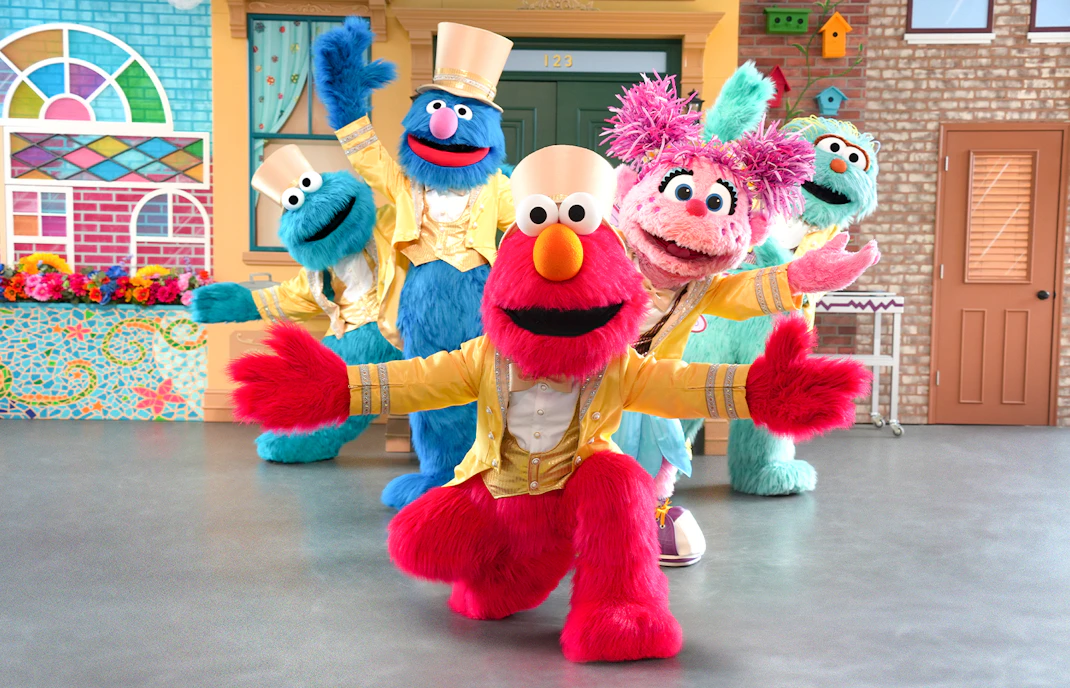
Sesame Place works best as three linked zones: front-of-park rides, the Sesame Street Neighborhood and parade corridor, and the water attractions that take over the second half of the day. Crowd flow changes sharply after the parade, so route choice matters more than raw walking distance.
- Front rides: Oscar's Wacky Taxi, carousel, and family rides → best tackled at opening → budget 1–1.5 hrs.
- Sesame Street Neighborhood: Character photos, themed facades, and easy stroller pace → best in mid-morning → budget 30–45 min.
- Water zone: Count's Splash Castle, Big Bird's Rambling River, and tube slides → strongest in the warmest part of the day → budget 2–3 hrs.
- Suggested route: Start with dry rides, lock in one character stop before lunch, then move to splash areas after the parade when kids are ready to change pace.
Maps and navigation tools
- Map: Use the park app or official park map → it covers rides, characters, and show times → download it before you arrive.
- Signage: Wayfinding is fine for a compact park, but the app matters more for parade, character, and temporary attraction timing than for directions alone.
- Audio guide/app: The app is valuable for schedules and wait checks.
- Large outdoor POIs only: You won't need trail tools here, but live schedule checks save wasted cross-park walks when a character set or water attraction changes.
💡 Pro tip: Treat Sesame Place as a two-part day — dry rides first, water attractions second — or you'll spend more time backtracking for towels, clothes, and kid reset breaks than actually riding.
What are the must-ride attractions at Sesame Place Philadelphia
Oscar's Wacky Taxi
Ride type: Family wooden-steel coaster
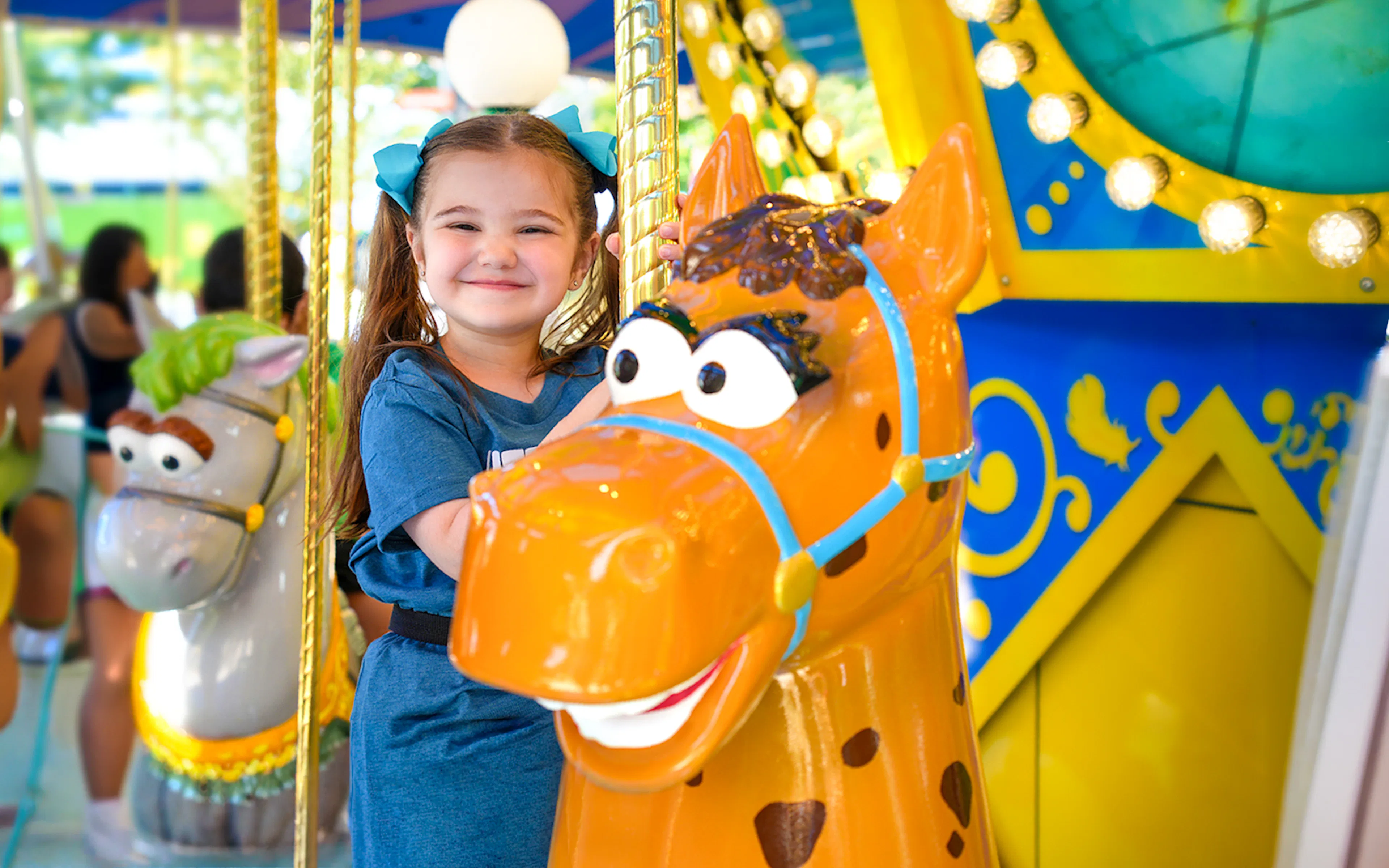
This is the park's biggest thrill and the one attraction that changes how you should pace your morning. Most families focus on the drops and turns, but the detail people miss is that this is the only ride where arriving right at opening makes a noticeably bigger difference than almost anywhere else in the park.
Where to find it: Near the main dry-ride section, close enough to make it a first stop from the entrance.
The Count's Splash Castle
Ride type: Interactive water-play fortress
This is the all-in family splash zone: bridges, sprayers, slides, climbing features, and the huge tipping bucket that drenches anyone underneath. Most people notice the slides first, but the detail they underestimate is how quickly the tipping bucket soaks everyone nearby, even if they are only trying to watch.
Where to find it: In the main water-play area, deeper into the park once you move past the dry rides.
Big Bird's Rambling River
Ride type: Lazy river
This is the park's best built-in reset: a slow tube float with gentle currents, bubblers, and a cooler pace than the surrounding splash zones. What many families miss is the planning detail — tubes are first-come, first-served, and children under 42 in must wear a life vest and stay with an adult.
Where to find it: In the water attractions area, near the other major splash features.
Sesame Street Party Parade
Experience type: Daily live parade
This is the emotional peak of the day for many families: music, floats, dancing, and a fast-moving run of favorite characters. The detail people rush past is the viewing strategy — arriving 10–15 minutes early near the start or middle of the route gives you a much easier, less blocked view than trying to slide in at the last second.
Where to find it: Along the main Sesame Street parade route through the center of the park.
Sesame Street Neighborhood
Experience type: Immersive themed area and character-photo zone
This is where the park feels most like the TV world families came for, with familiar facades, photo spots, and regular character activity. The thing people miss is timing: early in the day, this area can be much easier for photos before everyone shifts into full parade and swimsuit mode.
Where to find it: In the central themed section linking rides, parade space, and character appearances.
Elmo's Silly Splashy Slides and Abby's Fairy Falls
Ride type: Tube water slides
These slides are the step up from general splash play to a more defined water-ride experience, and they are especially appealing to older kids who want a little more speed. What many parents miss is the practical detail — the height minimum is typically 42 in, so these work best when you already know which children in your group can ride.
Where to find it: In the water park section, marked by the oversized Elmo and Abby theming.
Facilities and accessibility
- 🎒 Stroller rentals: Double strollers rent from about $37, which is useful if you're planning a full 6–8 hour day across both dry rides and water attractions.
- ♿ Wheelchair rentals: Manual wheelchairs rent from about $37 and electric wheelchairs from about $105 on-site.
- 🍽️ Dining: Quick-service food is available inside the park, but many families find it expensive enough that it works better as a convenience fallback than a value lunch.
- 🛍️ Gift shop / merchandise: Mr. Hooper's gift shop is the easiest stop for Sesame Street souvenirs because you can shop on your way out instead of carrying everything all day.
- 🅿️ Parking: On-site parking starts from about $36 prepaid, and the lot fills fastest on summer weekends and seasonal event dates.
- 📸 Photo package: PhotoKey costs about $50 per person and makes the most sense if you plan to do several character and ride photos.
- ♿ Mobility: Manual and electric wheelchairs are available to rent on-site, which helps with a full-day visit, but ride access still depends on each attraction's own safety and height rules.
- 👁️ Visual impairments: Guest Services is the best first stop on arrival if anyone in your group needs day-specific support, because operating rides, shows, and access details can change by date.
- 🧠 Cognitive and sensory needs: Sesame Place was the first theme park designated a Certified Autism Center and also participates in the Hidden Disabilities Sunflower program, making it one of the strongest regional options for neurodiverse families.
- 👨👩👧 Families and strollers: The park is built for young children, and the compact layout plus stroller rentals make it easier to manage naps, swim gear, and parade timing in one day.
- 🚶 Terrain: This is an outdoor theme park with paved guest paths, so the main challenge is time on your feet rather than rough ground.
Sesame Place Philadelphia is best for toddlers, preschoolers, and early elementary kids because nearly everything here — from ride intensity to character interactions — is sized to their pace.
- 🕐 Time: 6–8 hours is realistic with young children, but a focused 3–4 hour visit still works if you only want a few rides, the parade, and one splash session.
- 🏠 Facilities: Stroller rentals, family-friendly rides, and water-play areas make it easier to handle a full day without older-kid stamina.
- 💡 Engagement: Put one character photo stop before lunch, because younger kids often lose patience for lines later once swimsuits, snacks, and parade distractions take over.
- 🎒 Logistics: Bring a full change of clothes, swimsuits, sunscreen, and water shoes if splash areas matter, and aim for opening time if Oscar's Wacky Taxi is non-negotiable.
- 📍 After your visit: Keep the evening simple, because most younger kids are fully done after a full Sesame Place day and usually do better with a low-key dinner than another attraction.
Rules and restrictions
What you need to know before you go
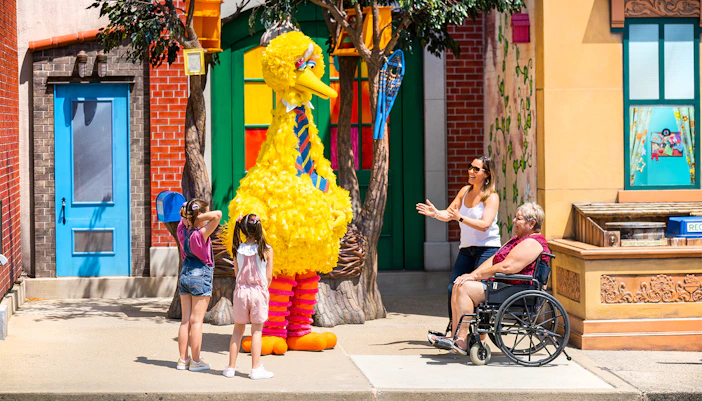
- Entry requirement: Guests age 2 and older need a paid ticket, children under 2 enter free, and e-tickets are scanned at the turnstiles.
- Booking policy: Tickets are non-refundable, but you can change the date and pay any increase if the new day costs more.
- Re-entry policy: Standard admission does not include re-entry, so once you leave the park you lose the rest of that day's ride, parade, and splash time.
Not allowed
- 🚫 Leaving for an outside meal is a poor workaround for high food prices because the no re-entry rule turns it into a one-way exit.
- 🖐️ Height and safety rules are enforced at water attractions, including the 42 in minimum on some slides and required adult supervision for smaller children on Big Bird's Rambling River.
Photography
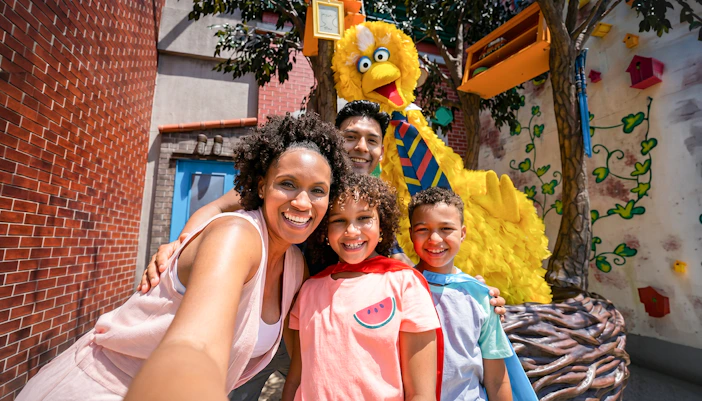
Photos are part of the Sesame Place day, and the PhotoKey add-on only makes sense because families usually take a lot of them. Expect the easiest shots in character areas, on the parade route, and at water-slide icons like Elmo and Abby; for water attractions, keep phones protected because splash zones and the tipping bucket soak more than people expect.
Practical tips
- Book parking with your ticket: Prepaid parking starts from about $36, and on busy summer or holiday dates it removes the first bottleneck before you even reach the turnstiles.
- Use opening hour for Oscar's Wacky Taxi: It is the park's biggest draw and the one ride most likely to dictate your whole morning if you leave it until later.
- Do characters before full swim mode: Once kids change for water play, families are much less likely to stop for meet-and-greets, so late morning usually works better than late afternoon.
- Use the parade as your pacing break: Get to your viewing spot 10–15 minutes early, let kids reset with a snack, then move straight to water attractions while many families are still regrouping.
- Pack for a split dry-and-wet day: A change of clothes, towels, sunscreen, and sandals matter more here than at a normal theme park because Count's Splash Castle and the lazy river can soak kids early.
- Budget honestly for food and photos: On-site food is convenient but not known for value, and PhotoKey only pays off if you know you'll do multiple character and ride photos, not just one or two.
What else is worth visiting nearby
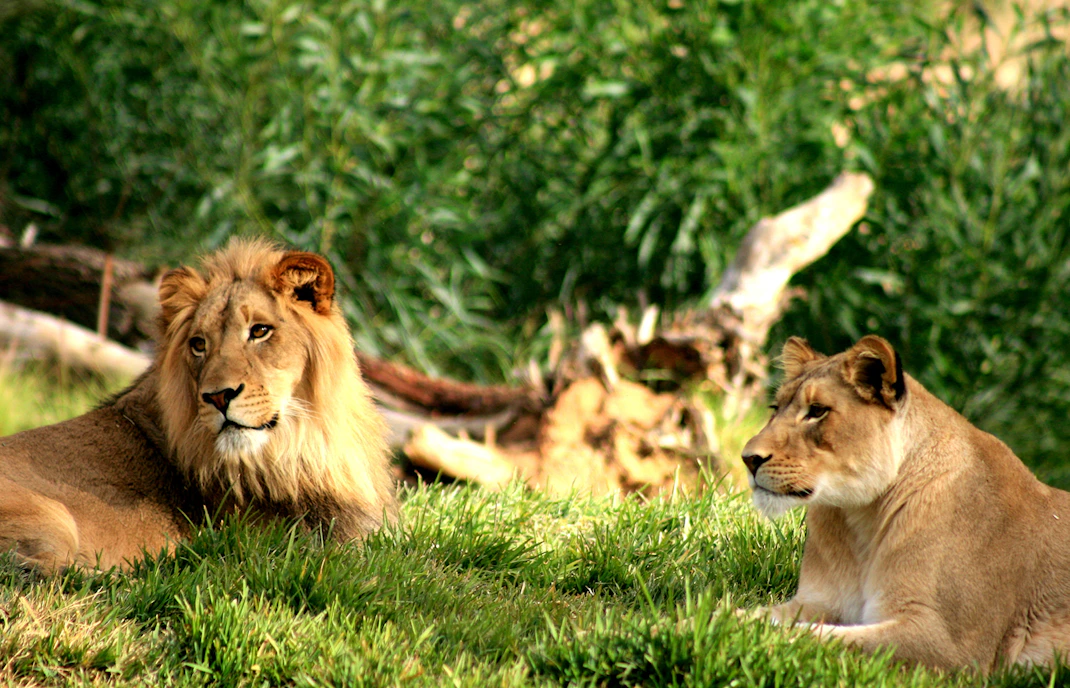
Commonly paired: Philadelphia Zoo
Distance: About 48 km — about 30 min by car
Why people combine them: It makes sense for families turning Sesame Place into part of a bigger Philadelphia kid-focused trip, with animals one day and characters the next.

Commonly paired: LEGOLAND Discovery Center Philadelphia
Distance: About 56 km — about 45 min by car
Why people combine them: It works well as a second indoor-heavy family attraction, especially if your Sesame Place day gets hot, crowded, or weather-shaky.
Eat, shop and stay near Sesame Place Philadelphia
- On-site: Quick-service meals and snacks are available inside the park, but many families find them expensive enough that they work best as a convenience fallback, not a lunch strategy.
- 💡 Pro tip: Eat a proper meal before you enter or commit to buying lunch inside, because the no re-entry rule makes popping out for a cheaper meal a bad trade.
- Mr. Hooper's gift shop: Sesame Street plush toys, branded souvenirs, and easy end-of-day shopping near the exit.
If Sesame Place is the main reason for your trip, staying nearby can make sense for one night because it cuts morning car logistics and lets you arrive before the first rush. If you are also sightseeing in Philadelphia, the Sesame Place area is more practical than atmospheric, and most visitors are better off using the city as their base and driving in for the day.
- Price point: This area is usually about convenience first, especially for families who want a simple overnight stop before or after the park.
- Best for: Visitors with very young children who want the shortest possible park morning and do not need a walkable neighborhood around the hotel.
- Consider instead: Center City Philadelphia is a better fit if Sesame Place is only one part of your trip, because you get stronger dining, hotel choice, and easier access to the rest of the city.
Frequently asked questions about visiting Sesame Place Philadelphia
Most families spend 6–8 hours at Sesame Place Philadelphia. That gives you enough time for dry rides, at least one character stop, the parade, and a real stretch in the water attractions. If you're only targeting a few rides and one splash area, you can still have a good visit in around 3–4 hours.
Yes, booking in advance is the smarter move for Sesame Place Philadelphia. Summer weekends, school breaks, Halloween dates, and Christmas events are the periods when popular days tighten up fastest, and advance prices are usually better than same-day gate pricing. It also lets you lock in parking and any extras before arrival.
For most families, arrival time matters more than queue-skipping. Sesame Place is compact, so the biggest waits usually concentrate around a small number of attractions rather than across the whole park. If Oscar's Wacky Taxi is the ride your group cares most about, doing it first is usually more useful than paying extra later.
Standard admission is not built around timed entry, but arriving 15–30 minutes before opening still helps. That gives you time to park, walk in, and start with the busiest ride before the rest of the park settles into parade and splash patterns. It matters most on summer weekends and special event dates.
Yes, a small family day bag is the practical choice here. Most visitors carry swimsuits, sunscreen, towels, and a change of clothes because Sesame Place blends dry rides with water attractions in one day. Keep it compact, though, because you will be moving between rides, parade viewing, and splash zones rather than camping in one place.
Yes, taking photos is a big part of the Sesame Place experience. Many families end up with a mix of character photos, parade shots, and ride-area pictures, which is why the park also sells PhotoKey. The main practical issue is not permission but protection, because water-play zones and the tipping bucket can soak phones fast.
Yes, and it is strongest for toddlers, preschoolers, and early elementary kids. The ride intensity, character focus, and splash areas are all built around younger families rather than teens. Older children can still enjoy attractions like Oscar's Wacky Taxi and the water slides, but the park clearly works best for kids under 10.
Sesame Place Philadelphia supports mobility access with manual and electric wheelchair rentals on-site. That helps with a full-day visit, but ride access still varies by attraction because each ride has its own safety rules. For neurodiverse visitors, the park is also notable for being a Certified Autism Center and part of the Hidden Disabilities Sunflower program.
Yes, food is available inside the park, but many families find it expensive for what it is. That makes timing more important than variety: either eat a solid meal before you enter or plan to budget for convenience food inside. Because re-entry is not allowed, leaving for a cheaper meal is usually not worth it.
Yes, and they matter most in the water attractions and the bigger rides. Some slides have a 42 in minimum, while smaller children on Big Bird's Rambling River must wear a life vest and stay with an adult. If your group has a wide age spread, checking height fit early helps avoid mid-day disappointment.
No, Sesame Place Philadelphia is seasonal rather than year-round. It typically runs from late March through early January, then closes for part of the winter. Halloween and Christmas events extend the calendar beyond the summer season, but daily operating dates and hours still vary, so always check the calendar for your exact visit day.
More reads
About
Directions